AI Teams Don't Have a Tool Problem. They Have a Memory Problem.
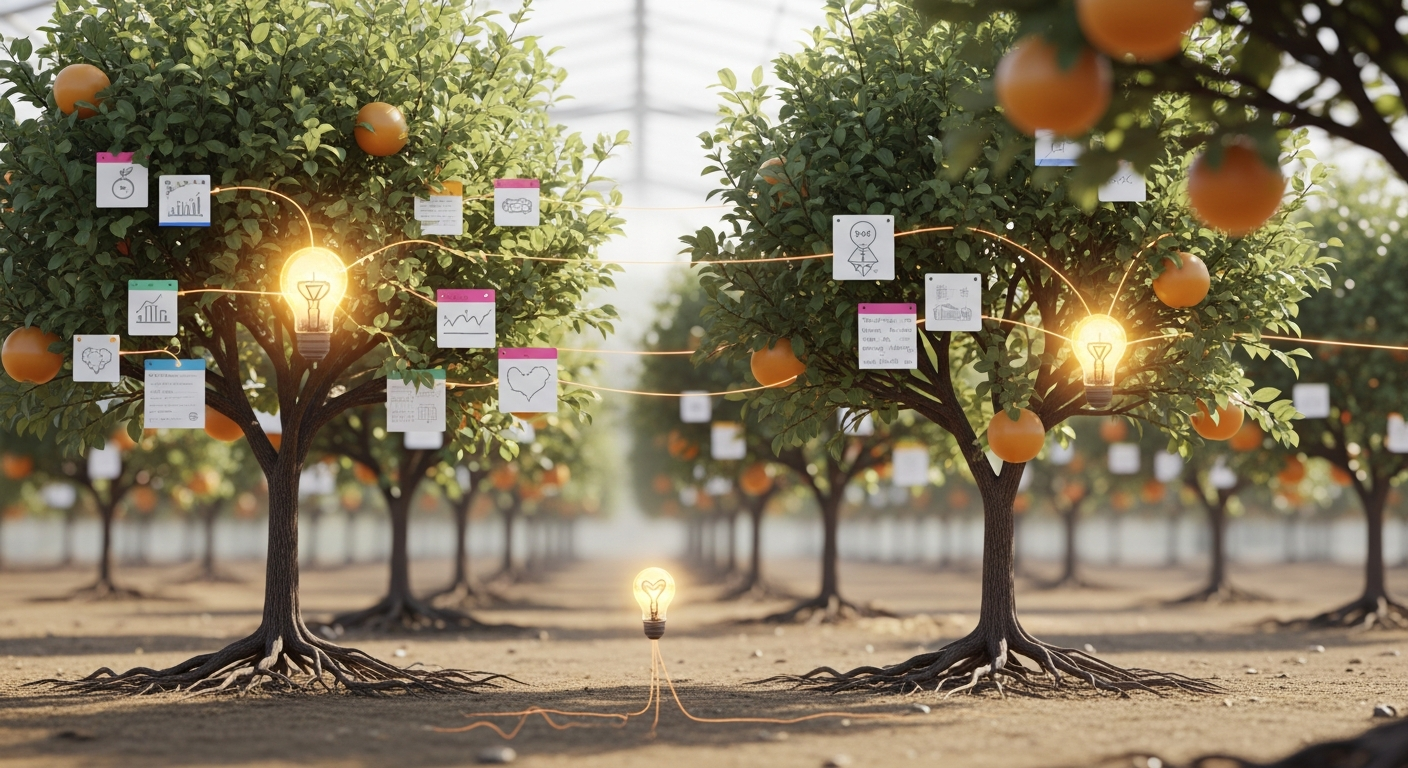
AI teams do not lose momentum because they lack tools. They lose momentum because every tool forgets the work.
AI teams are not losing productivity because they use too many tools. They are losing it because every tool forgets the state of the work. A founder asks ChatGPT for strategy, moves the answer into a deck, discusses it in Slack, updates a roadmap, drops a note into a project board, and then returns to AI the next day with half the context missing. The model is powerful. The workflow is broken.
That is why the next serious advantage in AI will not come from adding another chatbot to the stack. It will come from preserving the working memory around the chatbot: the decisions already made, the research already gathered, the tone already chosen, the constraints already discovered, and the next action that should happen because of it.
Most teams treat AI like a brilliant contractor with no memory of yesterday. Every new thread starts from scratch. Every prompt has to rebuild the room before the work can begin. The team explains the company again, the product again, the audience again, the strategy again, and the document again. By the time the model is ready to help, the human has already spent the first ten minutes doing clerical context repair.
That cost is easy to miss because it does not look like failure. The tool still answers. The document still gets written. The meeting still happens. But the work becomes thinner every time context falls out of the system. A product decision loses the reason behind it. A content brief loses the angle that made it sharp. A customer insight gets separated from the sales call that created it. The output exists, but the memory that made it useful disappears.
This is the real problem behind AI sprawl. Teams do not need one place for chat, another for notes, another for tasks, another for documents, and another for research unless those systems can carry context between them. If each tool only stores its own fragment, the team is forced to become the integration layer. People spend their day copying, summarizing, restating, and re-explaining what the software should have remembered.
The strongest AI teams are starting to organize around a different idea: persistent work context. They want AI to know what project this belongs to, what came before it, what the team already rejected, what the current goal is, what language fits the brand, what assets are approved, and what decisions are still open. They do not want a smarter blank page. They want a system that remembers the page, the project, and the reason the page exists.
That shift changes how teams should evaluate AI software. Speed matters, but speed without memory only makes it easier to create more disconnected work. Model quality matters, but the best answer still loses value if it cannot stay attached to the project. Search matters, but finding a file is not the same as understanding why that file mattered. The core question becomes simpler: does this system help the team carry context forward?
This is where MindMesh is built to matter. At mindmeshapp.com, the product is not trying to be another isolated AI tab. MindMesh is designed around connected work memory: the notes, prompts, ideas, research, files, and decisions that make AI useful after the first conversation ends. The goal is not just to capture information. The goal is to keep the relationships between information alive so the next round of work starts ahead instead of starting over.
For founders, that means strategy does not get buried in old threads. For operators, it means process decisions stay connected to the work they govern. For content teams, it means the next article can remember the last brief, the approved voice, the audience, and the live site it is being published into. For product teams, it means requirements, customer feedback, and technical tradeoffs do not become separate islands.
The practical version is not complicated. Every project needs a durable memory layer. Every AI output should land somewhere it can be reused. Every important decision should keep its surrounding context. Every handoff should carry the work forward instead of forcing the next person or model to reconstruct it. The system should know what has already happened so the team can spend more time making progress and less time proving the past exists.
AI will keep getting faster, cheaper, and more capable. That will not automatically make teams better. Without memory, faster AI can simply produce faster confusion. The teams that win will be the ones that turn AI from a series of disconnected conversations into a connected operating system for work.
The winning AI teams will not be the ones with the most tools. They will be the ones whose tools remember the work.